Celebrating the Season of Decay:
How Autumn Can Inspire Your Art

1. Noticing The Curl of a Leaf and the Twist of a Vine
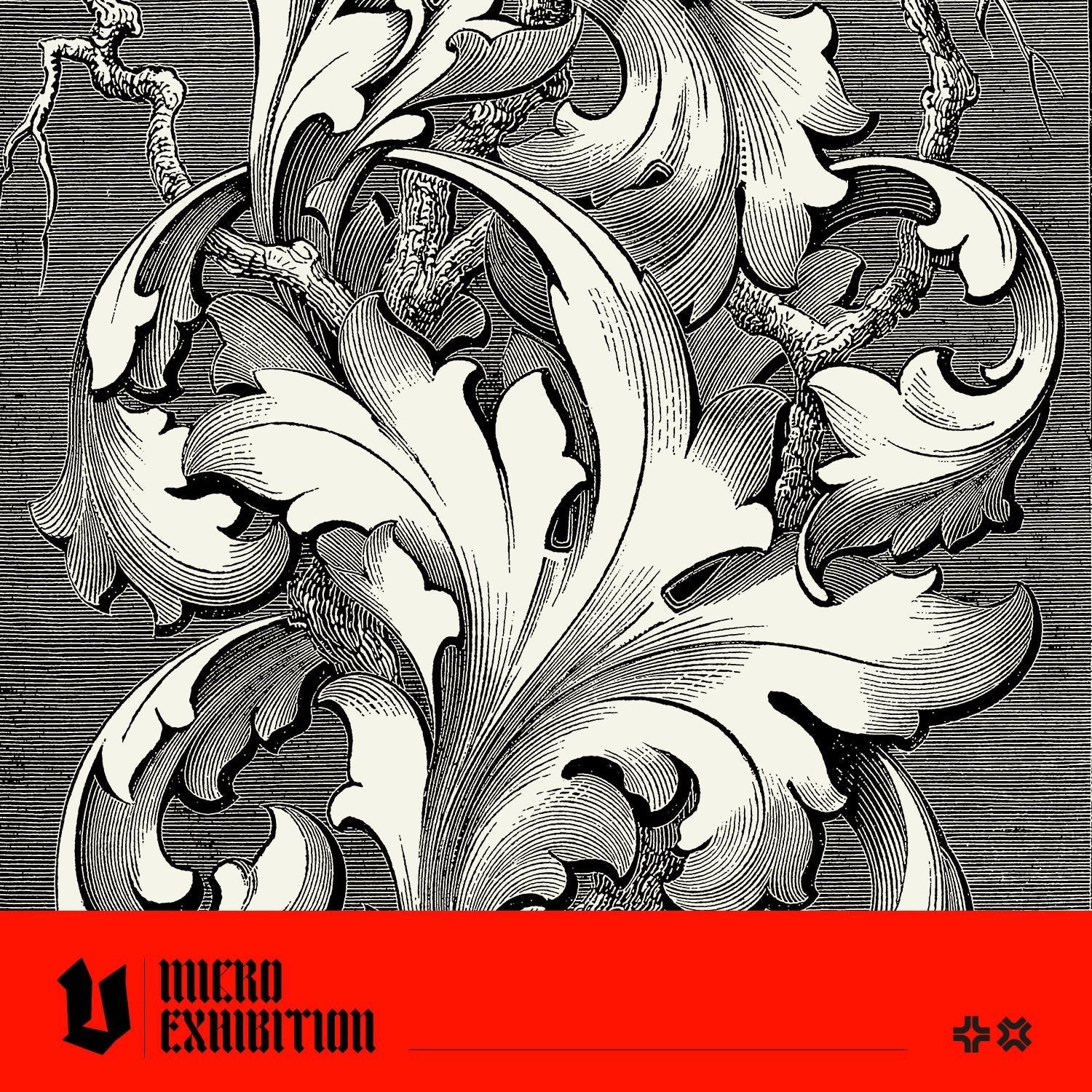
Autumn is the ideal time to study the way plants twist, fold, and decay. As vines harden and leaves curl, their movement captures the spirit of the harvest season; abundance and vitality giving way to rest. Grapevines, ivy, and acanthus are beautiful examples of the organic curves and twists found in nature, and these botanicals have long been fundamental motifs in ornamental design.

2. Create Your Own Dance of Death
The allegory of the Danse Macabre, or Dance of Death, mirrors the autumn of life, a final burst of vitality before the stillness of winter. Originating in late medieval Europe, this theme appeared in murals, prints, and manuscripts as a procession of skeletons leading the living toward their inevitable fate. Kings, peasants, and priests all joined the procession, united by their mortality. Some people try to flee from Death, others take his arm and walk beside him as an equal, but every character ends up accompanying him. No matter where we are in life, we all experience the same seasons. The Danse Macabre is a reflection of the human condition, and reminds us that no matter our outward differences, we all have a shared humanity.
If you were to create your own Danse Macabre, which figures would you include, and in what order would they dance? Naturally, we’ve chosen some of our favourite illustrations from our image archive, The Dance of Death, and you can also read more about the Danse Macabre in our article on the Vault Zine.
 Death as a Stranger, from The Dance of Death
3. The Vanitas of Autumn
A vanitas is a type of still life that reminds the viewer of life’s fleeting nature through the use of symbolic objects. It illustrates the futility of earthly pleasures, the transience of beauty, and the certainty of death. Autumn mirrors the idea of the vanitas, summer’s abundance moving into decline. The harvest, the ripened fruit, and the softening light all echo that balance between fullness and transience. In traditional vanitas painting, artists placed ripened fruit beside fading flowers and hourglasses to remind viewers of time’s passing.
For artists today, autumn offers the same lesson: how to find beauty in impermanence. Study objects at different stages of life, from fresh and smooth to fading and weathered, to explore the tension between what endures and what transforms. Try creating a still life that reflects this sense of impermanence by combining organic and man-made forms. You might include classic elements such as a wilting flower, an old book, or a melting candle, or reinterpret the tradition by adding contemporary objects of your own to represent the passage of time. We’ve included an example of a vanitas from our bestselling image archive, Memento Mori, and Depictions of Death.

Vanitas from Memento Mori and Depictions of Death
4. The Enduring Appeal of Skeletons
Skeletons in art are so much more than Halloween decorations; they are enduring symbols of what remains when the trappings of life are stripped back. In art and design, the skeleton can represent the framework of the body, like in Renaissance anatomical studies, or a way for artists to explore the boundary between life and death, like in the Danse Macabre, vanitas, or memento mori themes. It can also be a symbol of renewal, and reminds us that creation often begins with deconstruction. Many tattoo artists and illustrators reinterpret skeletal imagery to express growth and transformation or to celebrate the beauty that lies beneath the superficial.
The skeleton can embody the structure of life, the character of death, or something entirely your own, so why not explore anatomical drawings and skeletal forms and see where it takes you? We’ve got plenty of image archives to inspire you, including favourites like Morbid Anatomy and Skulls and Skeletons. 
Skeleton from Skulls and Skeletons
5. The Beauty of Decline
Autumn reminds us that change is fundamental to creation. Perhaps this is a moment to consider how that idea influences your work. It might be a chance to look for beauty in imperfection, like a distinctive patina, a softened edge, or a weathered curve. By observing the erosion of a structure, you may discover something new about its completeness. Try experimenting with ways to translate decay into pattern, texture, or colour: let your materials age, layer, or fade naturally until they form a design that feels unique and special in its imperfection.