
News

Botanical Artist
Marianne North: Botanical Artist, Plant Pioneer and Victorian Trailblazer
Marianne North: Botanical Artist, Plant Pioneer and Victorian Trailblazer
Marianne North was a Victorian painter, plant hunter and traveller who spent 14 years circling the globe alone, painting plants in their natural habitats. She visited 16 countries across 5 continents, produced over 800 paintings without formal training, and funded her own gallery at Kew Gardens to house them — the only permanent solo exhibition by a female artist in Britain. Today we’re taking a closer look at her life and work. Let’s go!
‘Begin now by observing as much as you can of what nature teaches, and you will find a new happiness in life.’ – Marianne North
View from Collaroy, New South Wales, Looking towards the Liverpool Downs by Marianne North, Image credit: Board of Trustees, RBG Kew
Who Was Marianne North?
Marianne North was born on 24 October 1830 in Hastings, Sussex, into a prosperous political family. Her father, Frederick North, was a Liberal MP, and through him she grew up with access to a world most women of her generation never saw. Sir William Hooker, director of Kew Gardens, was a family friend, and visits to the Palm House at Kew sparked an early passion for tropical flora that never left her.
She originally trained as a vocalist, but her voice failed, so she turned to painting. After her mother died in 1855, she travelled extensively across Europe with her father. When he died in 1869, she inherited enough money to do as she pleased, and she chose to travel the world alone, painting plants.
North had no interest in marriage. She described it as turning women into “a sort of upper servant,” and never pursued it. Instead, she used her father’s political connections to secure letters of introduction to ambassadors, viceroys, rajahs, and governors worldwide, which opened doors that would otherwise have been closed to a woman travelling alone.
Bauhinia variegata Linn, painted in India, by Marianne North. Image credit: Board of Trustees, RBG Kew
Marianne North’s Painting Style: Breaking the Rules of Botanical Art
Botanical art in the Victorian era followed strict conventions. Plants were painted in watercolour on white backgrounds, isolated from their surroundings, with the focus on scientific accuracy rather than atmosphere. North took a different approach, painting in oils, which gave her work a vibrancy and richness that watercolour could not match. She painted plants in their natural habitats, sometimes including animals, people and landscapes in the same composition. Her palette was limited and she favoured cobalt blue, lead white and madder red, and avoided black paint, replacing it with blues, greens and oranges to tone down strong colours.
Her sister described her as “exceedingly and scornfully sceptical as to rules in art,” and her own words on the subject were characteristically direct. Oil painting, she wrote, was “a vice like dram-drinking, almost impossible to leave off once it gets possession of one.”
Not everyone was convinced. The art critic Wilfrid Blunt dismissed her work as “perennially gaudy” and said artists would “hardly agree” she had any sensibility. The Graphic, an illustrated newspaper, reviewing an 1878 exhibition of 512 of her paintings in London, took a different view, praising her “freedom of hand, purity and brilliancy of colour and the accurate draughtsmanship of a consummate artist.”
'Ipomoea and Vavangue with Mahe Harbour in the distance, painted on Madagascar' by Marianne North, 1883.
Marianne North’s Travels: 16 Countries, 5 Continents
In 1871, aged 40, North sold her family home and began travelling. Her first trip took her to the United States, Canada and Jamaica, then to Brazil for eight months, where she completed over 100 paintings while working from a hut deep in the forest. She visited Tenerife in 1875, then spent two years painting across California, Japan, Borneo, Java and Sri Lanka. The whole of 1878 was spent in India, producing around 200 paintings. She painted quickly and prolifically, creating over 800 paintings in 14 years, roughly one every six days.
In 1880, at Charles Darwin’s suggestion, she went to Australia and New Zealand and produced 300 paintings in Australia alone. On her return, she visited Darwin at his home in Kent to show him the work. He wrote to her afterwards saying her pictures “call up with considerable vividness scenes in various countries which I have seen.” South Africa followed in 1883, then the Seychelles and Chile in 1884 and 1885.
Papyrus or Paper Reed growing in the Ciane, Sicily. Oil painting by Marianne North, 1870. Image credit: Board of Trustees, RBG Kew
The Marianne North Gallery at Kew Gardens
In 1879, North wrote to Sir Joseph Hooker, director of Kew Gardens, offering to donate her entire painting collection and fund a gallery to house it. Hooker accepted. Her friend, the architectural historian James Fergusson, designed the building, and it opened to the public in 1882.
North designed the interior herself. The paintings are hung close together from floor to ceiling, organised by geography, filling every wall of the double-height main room with colour. She fitted and framed the paintings, designed the decorative details, and oversaw every aspect of the gallery’s presentation. When Hooker refused her request to serve tea and coffee at the gallery, citing the number of visitors to the gardens, she decorated the door panels with paintings of tea and coffee plants.
The gallery houses 838 of her paintings and remains open today. Kew describes it as Britain’s only permanent solo exhibition by a female artist. The National Lottery Heritage Fund funded a major restoration completed in 2009. Learn more here.
'Two Australian Shrubs with Sydney Harbour below', Marianne North, 1880. Image credit: Board of Trustees, RBG Kew
Marianne North’s Legacy
On her travels, North discovered plants unknown to European science, and botanists named several species in her honour, including Nepenthes northiana, a pitcher plant she painted in Borneo that they had never previously recorded, and the genus Northia, named after her following her visit to the Seychelles.
She died on 30 August 1890 at Alderley, Gloucestershire, aged 59. Her sister edited her autobiography, Recollections of a Happy Life, and published it after her death.
Her reputation fluctuated for much of the 20th century. Wilfrid Blunt’s dismissal of her work as gaudy was influential, and major histories of botanical illustration largely overlooked her. A 2016 BBC Four documentary, Kew’s Forgotten Queen, presented by Emilia Fox (watch on YouTube here!), helped bring her work to a wider audience. Today her gallery at Kew remains one of the most extraordinary rooms in Britain, 838 paintings covering every wall, arranged exactly as she intended.
Nepenthes Northiana, 1876. Image credit: Andrew McRobb / Board of Trustees, RBG Kew
Feeling inspired?
Looking for a how to draw flowers for beginners book? This full colour guide teaches botanical art through 40 step-by-step flowers, from flower anatomy to shading and texture.
Get Your Copy Now!
Art History
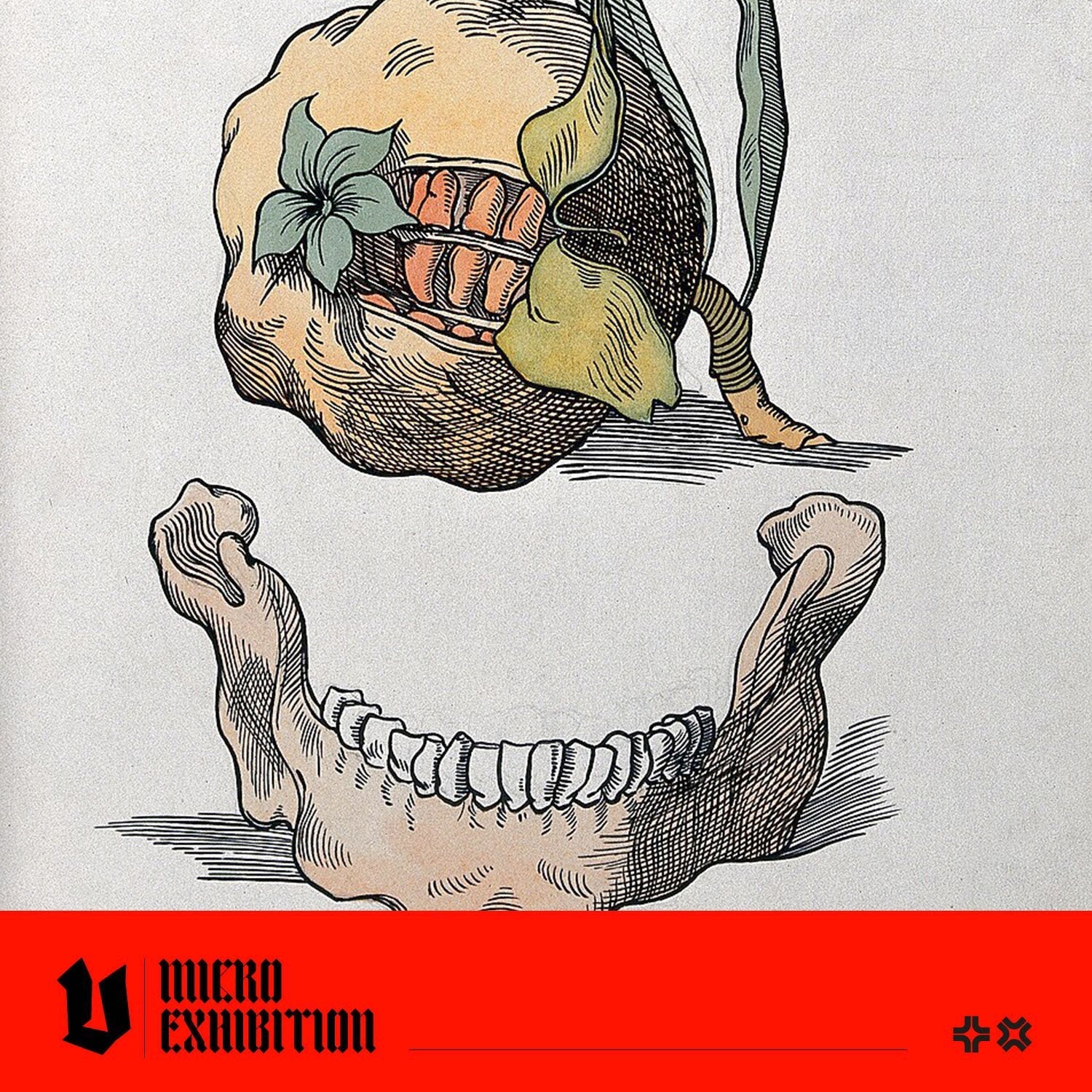
The Doctrine of Signatures: The Ancient Plant Theory That Inspired Centuries of Botanical Art
The Doctrine of Signatures claimed that plants reveal their medicinal uses through their physical appearance. Modern science has debunked the theory, but the extraordinary artwork it inspired lives on. Today we're taking a closer look.
Italianate
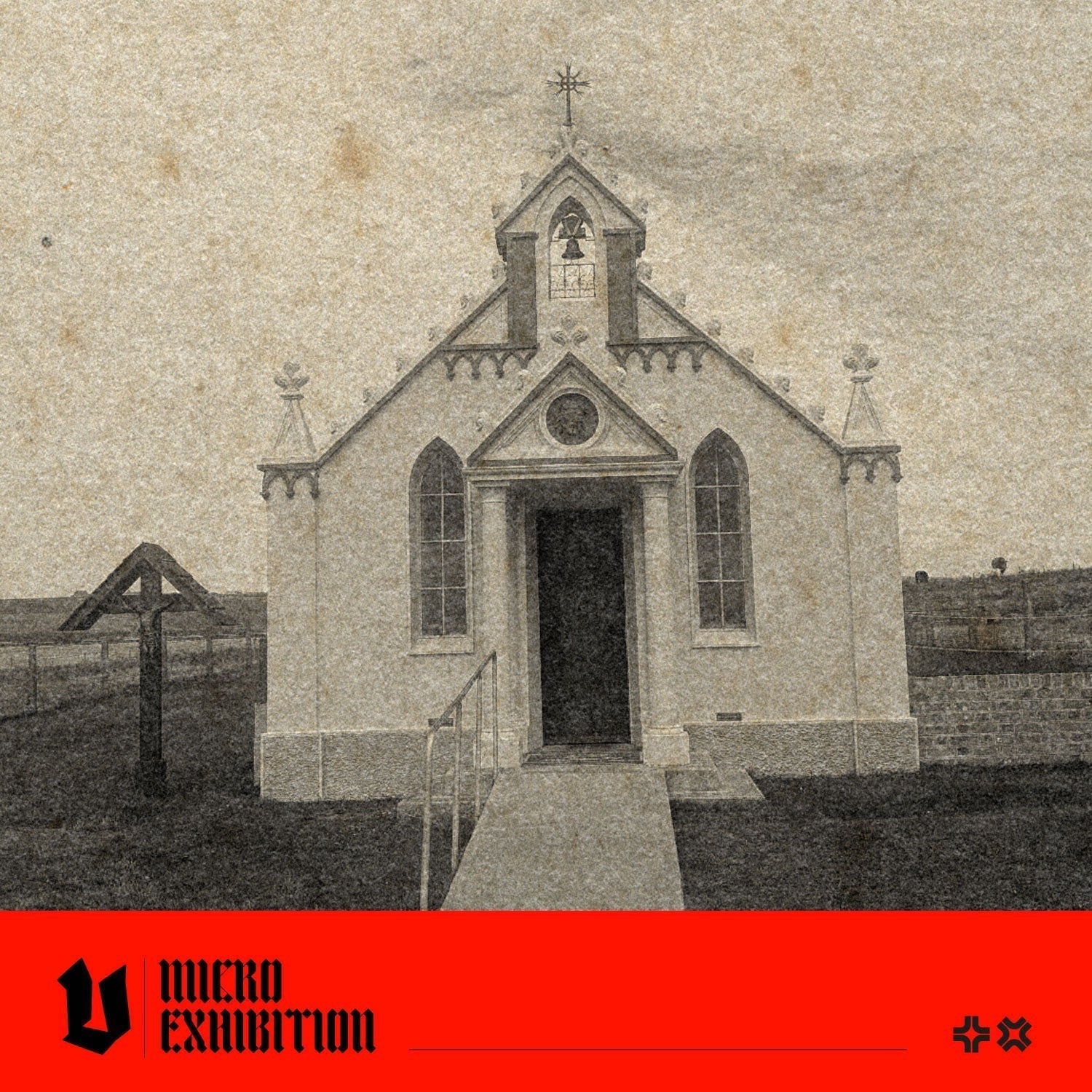
The Italian Chapel on the Orkney Islands: A Testament to Craftsmanship During World War Two
Orkney’s Italian Chapel is a remarkable building and a testament to the craftsmanship of the people who built it and worshipped there. It was built by hand and from repurposed materials during World War Two by a group of Italian prisoners of war (POW’s) interred on the islands. We heard about this intriguing building and had to see it for ourselves; read on to find out more!

Artist Interview
Vorja Sánchez x Vault Editions: Artist Interview
Vorja Sánchez is known for creating intricate, dreamlike artworks inspired by nature from his studio in Barcelona. His creative practice blends fantasy with scientific observation, drawing on organic forms and natural history. Vault Editions sat down with Vorja to learn more about his creative process, where he finds inspiration, and the intention behind his work - let’s go!

Ancient Egypt
Protective Symbols in Art: Five Images Used to Ward Off Harm
Today we're looking at five iconic examples of protective imagery in art history and its lasting influence on artists and designers.
Art Techiniques
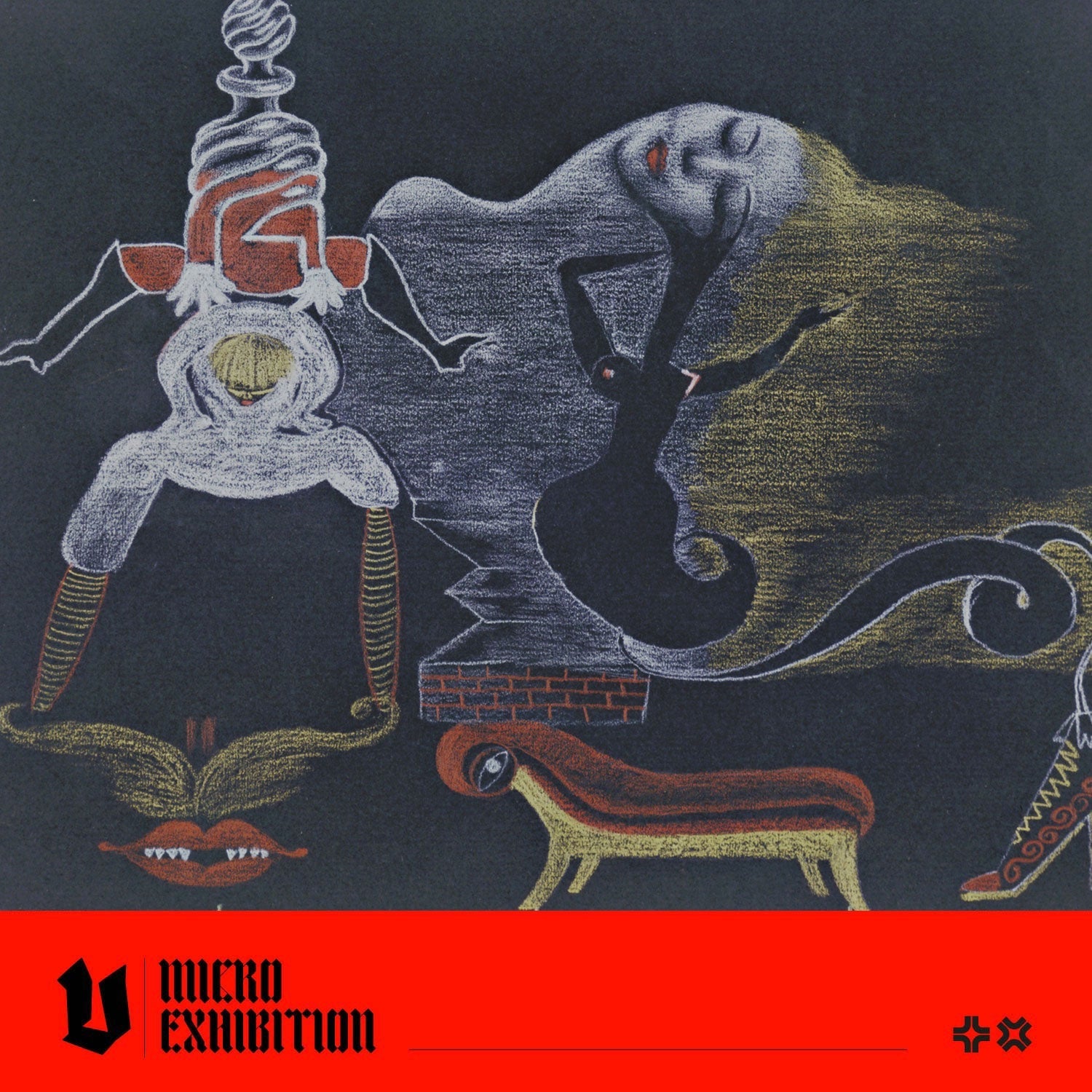
The Exquisite Corpse: The Surrealist Game Celebrating Collaboration
The Exquisite Corpse breaks the habit of over-planning and loosens the grip of authorship. It encourages participants to collaborate rather than control, to accept awkward joins, imperfections, and absurdity, and to value the process over a polished outcome.

Artist Interview
Laust Højgaard x Vault Editions: Artist Interview
Today’s interview is with Danish artist Laust Højgaard. We talk about curiosity, authenticity, and letting work unfold over time. Laust shares how his work reflects a mix of influences, contrasts, and emotions, and explains what returning to art on his own terms gave him. Let’s go!

Artist Interview
Billy Bernert x Vault Editions: Artist Interview
Tattoo artist, illustrator, and printmaker Billy Bernert is known for his blackwork and engraving-inspired tattoos. His practice channels the aesthetics of old woodcuts and copper engravings, drawing on the legacy of Albrecht Dürer and his contemporaries from the 15th century. Working from his studio, Sulphur Tattoo, in the German countryside, Billy captures and reimagines the visual power of the Old Masters while weaving in modern influences. His practice spans disciplines, from bold, one-off tattoo designs to illustrations and woodcuts he carves and prints himself, all rooted in the tradition and texture of historical printmaking.
Art Education
Celebrating the Season of Decay: How Autumn Can Inspire Your Art
It’s autumn for those of us in the Northern Hemisphere, and this time of year is especially inspiring for artists and designers; the sunlight flattens and cools the day’s colours, nights darken and draw in earlier, and the trees slowly turn from green to gold. It’s the perfect season to explore themes of transformation, texture, and impermanence in your work. If you’re feeling inspired by the shifting light and fading colour, here are five ideas for you to get started