
News
Art Education
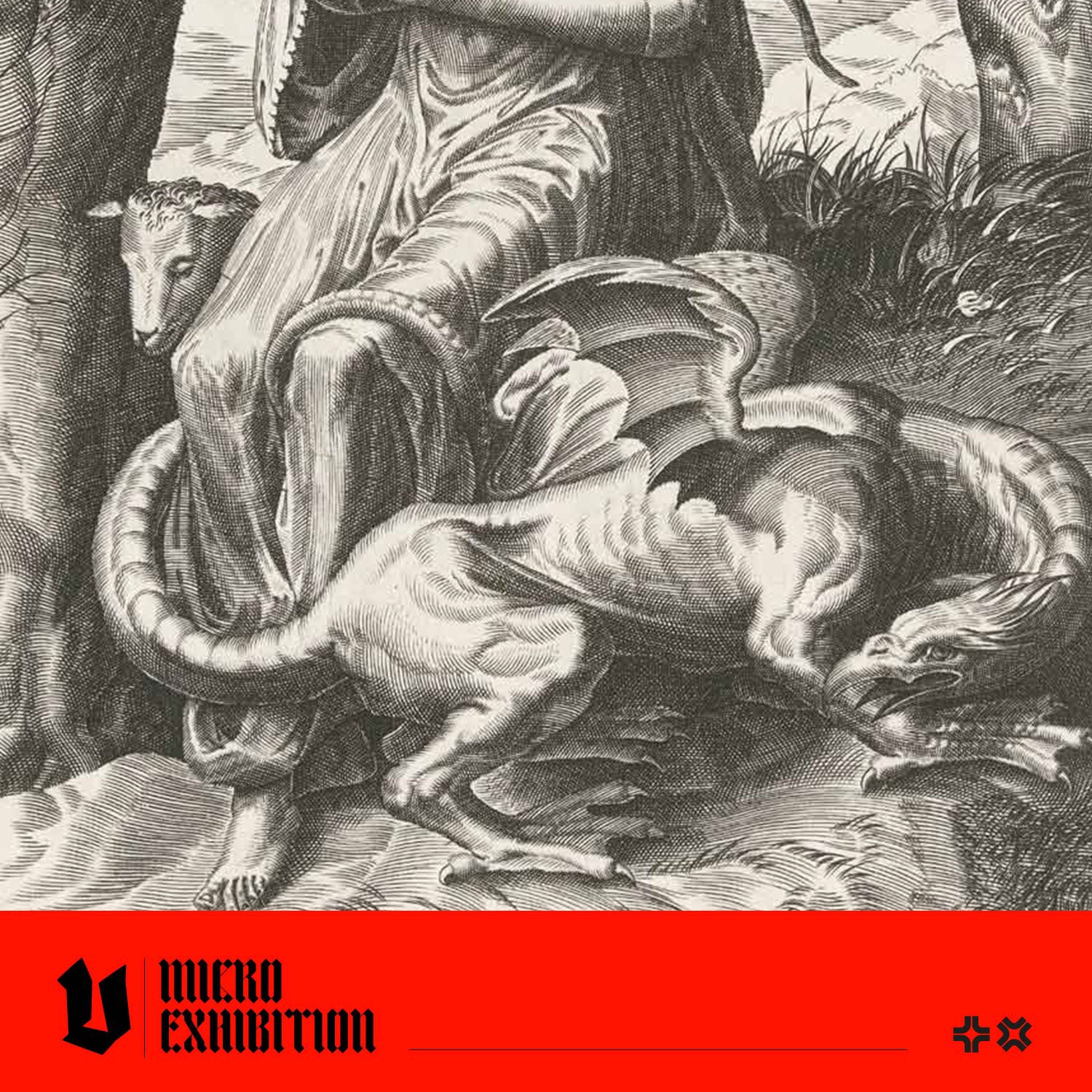
Cornelis Cort: The Innovator Who Changed European Engraving Forever
Cornelis Cort was an engraver and draughtsman from the Netherlands who lived the later years of his life in Italy. He spent his career engraving artists' paintings onto copper and, in doing so, invented a technique that changed European printmaking. Today we're taking a closer look at his life, his method, and why Titian couldn't do without him. Let's go!
Art History
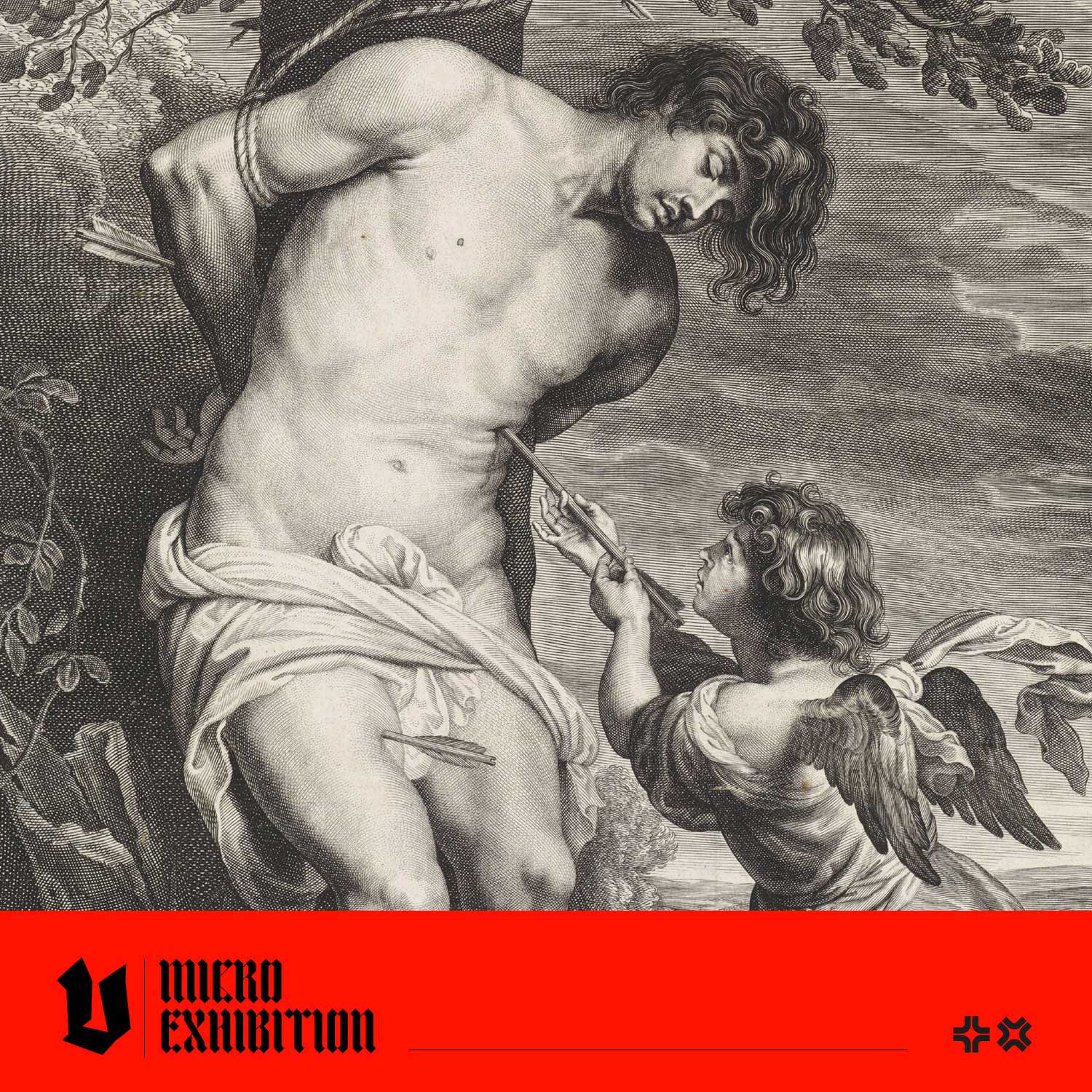
Paulus Pontius: The Engraver Who Gave Rubens' Paintings a Wider Audience
Discover Paulus Pontius, the Flemish engraver who turned Rubens' paintings into prints seen across seventeenth-century Europe, and later worked with Van Dyck and Jordaens
Art History
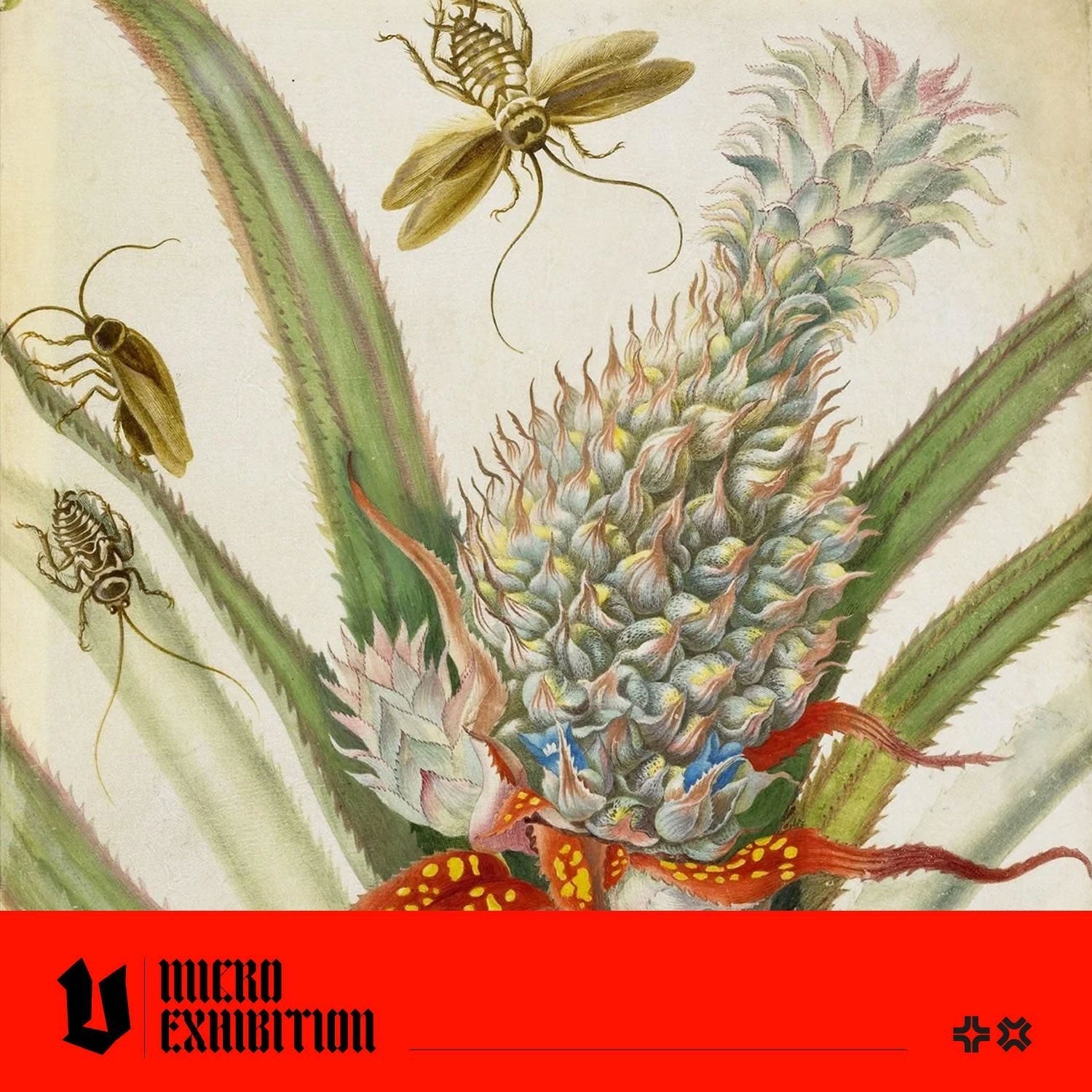
Maria Sibylla Merian: The Woman Who Sailed to South America to Watch Caterpillars Turn Into Butterflies
What would make a 52-year-old woman sell 255 of her own paintings, board a ship with only her daughter for company, and sail to a rainforest on the other side of the Atlantic? For Maria Sibylla Merian, the answer was simple: she needed to study insects.
Art History
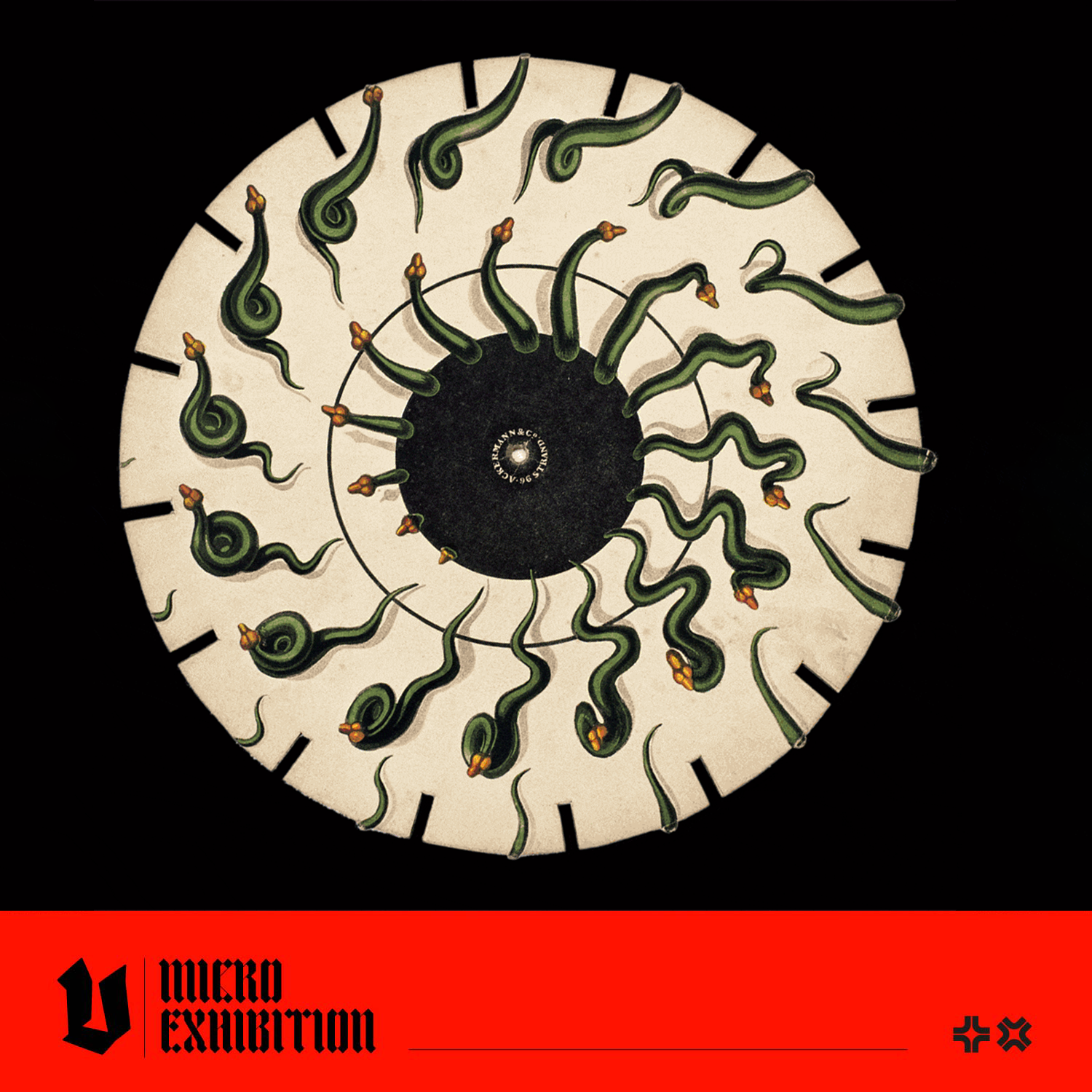
The Phenakistoscope: The World's First Animation Device
Decades before the birth of cinema, a Belgian physicist built a spinning disc that convinced the human eye it was watching motion. That device, invented in late 1832, was the phenakistoscope, and it remains one of the earliest true forerunners of animation and cinema. Today we're taking a closer look at how it worked and examining some beautiful examples.
Art History
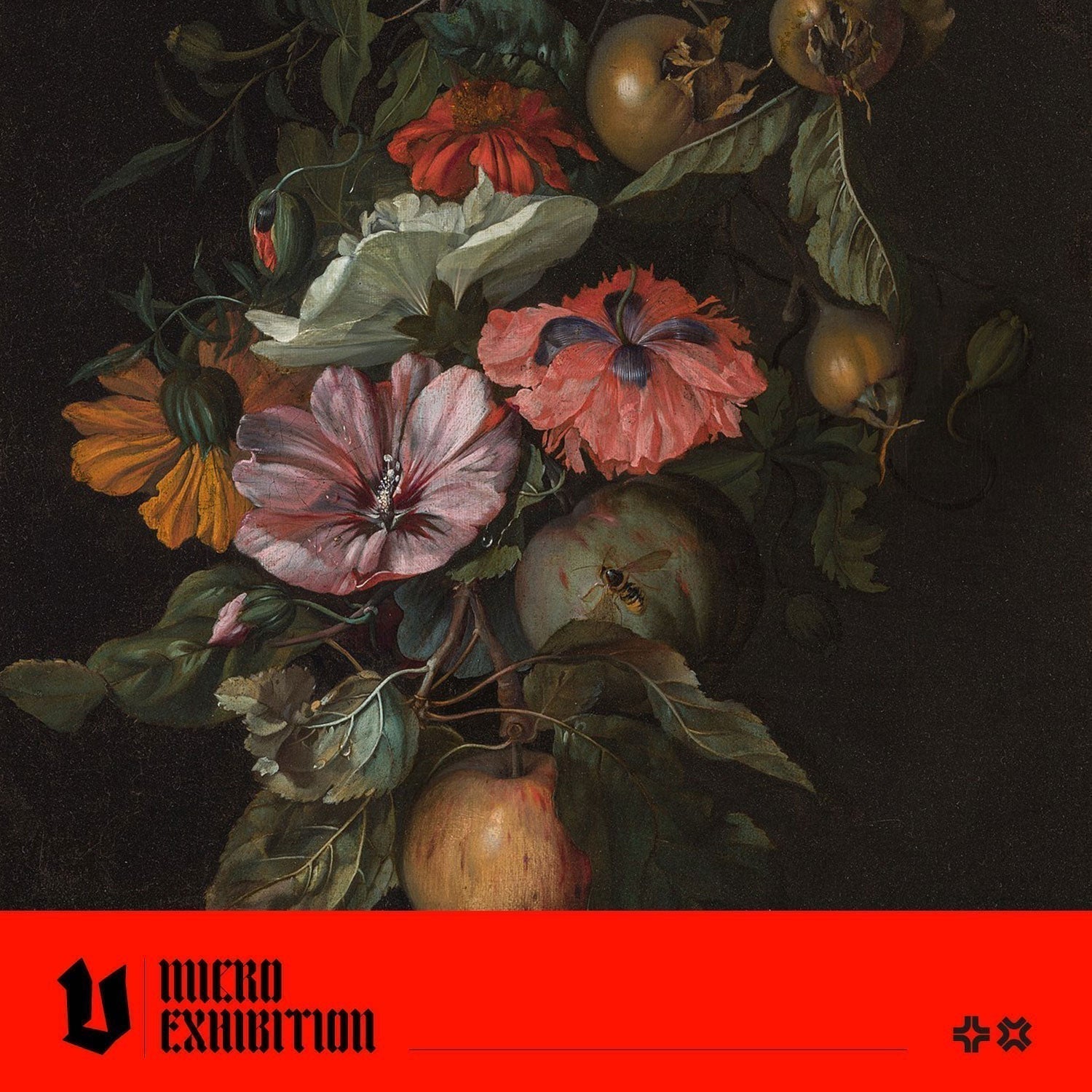
Rachel Ruysch: The Woman Who Outsold Rembrandt
What does it take to become the most celebrated flower painter in Europe, raise ten children, and still be producing masterworks in your eighties? Read on to find out more about Rachel Ruysch, one of the Dutch Golden Age’s most remarkable artists.
Albrecht Dürer
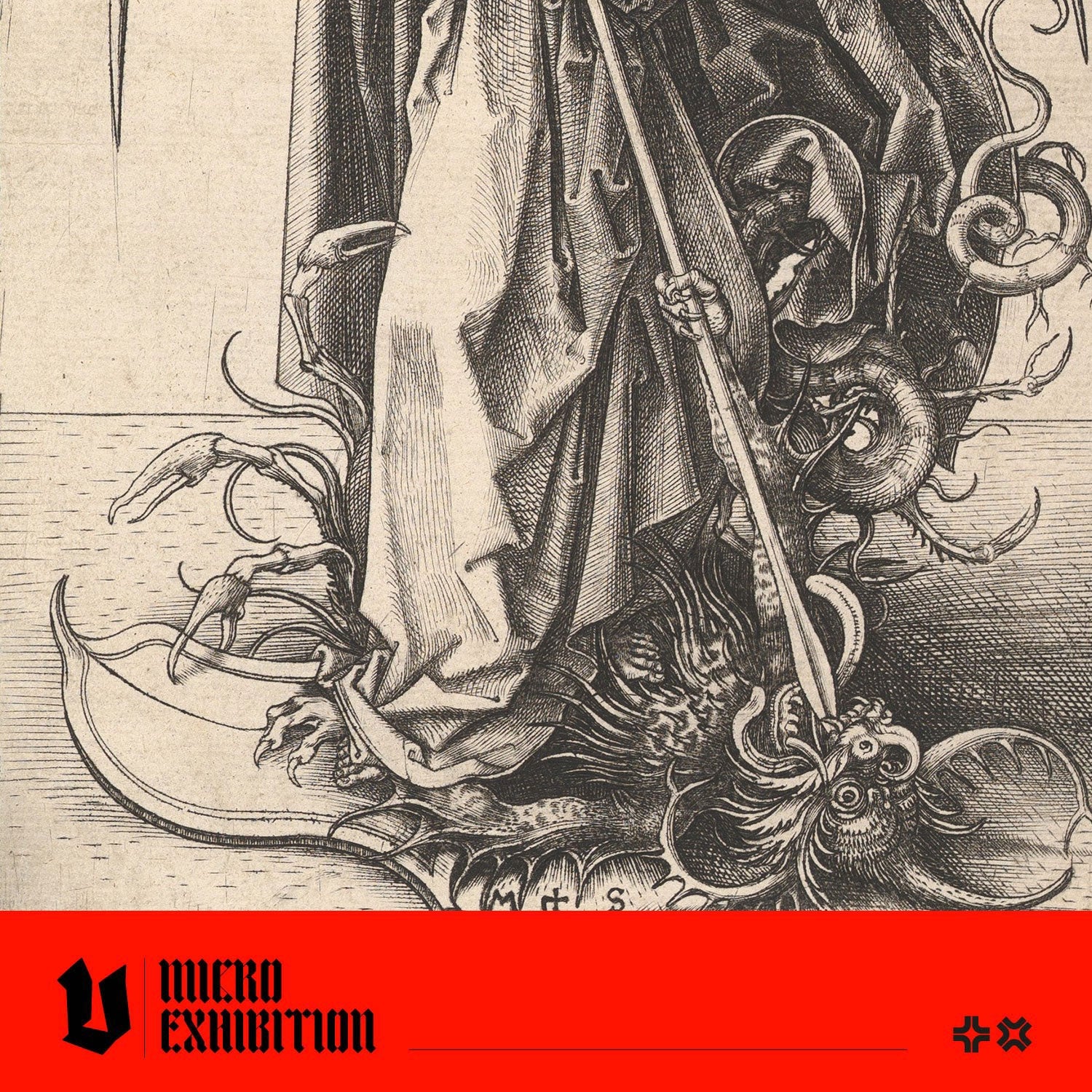
Micro Exhibition: Meet the artist Michelangelo copied and Dürer idolised
Martin Schongauer, an engraver and painter from Colmar, was an incredibly talented and accomplished artist. One of his fans was none other than Albrecht Dürer, who collected his work, and Giorgio Vasari, an Italian Renaissance painter, architect, art historian, and biographer, also reported that Michelangelo copied one of his engravings. Today we'll learn more about his work, and how his technical innovations helped create his legacy. Let's go!
Art History
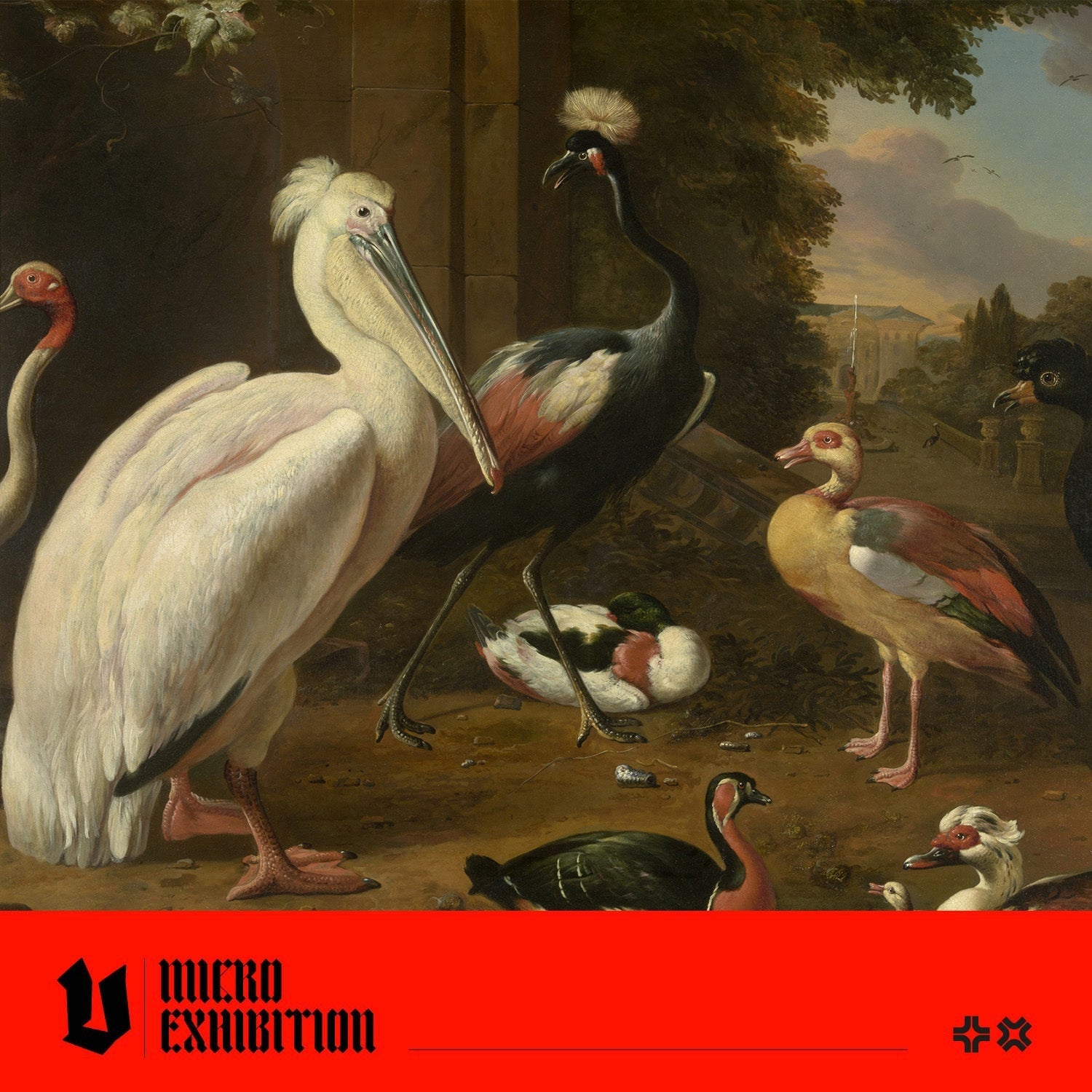
Melchior d'Hondecoeter: The Artist Who Painted the Personality of Birds
We may consider animal painting as a minor tributary of art history, something decorative, a background element. D’Hondecoeter invites us to look carefully at other creatures, to resist the habit of treating them as a background or supporting characters, and to find in their behaviour something that reflects our own.
Art History
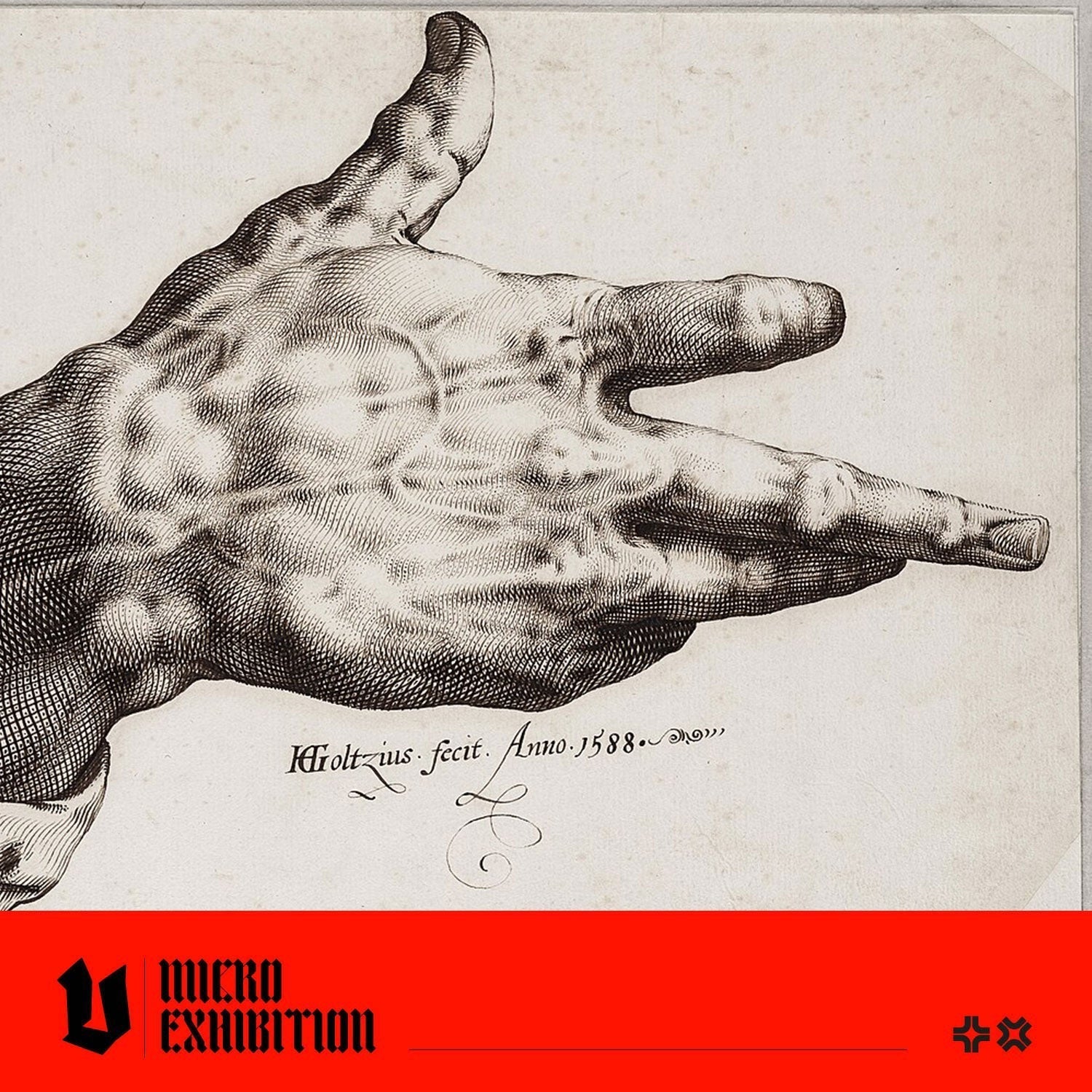
Hendrick Goltzius: The Engraver Whose Visionary Linework Shaped European Printmaking
Hendrick Goltzius was a Dutch engraver and painter whose astonishing technical skill shaped the work of his contemporaries and generations beyond. Today, we’ll look closely at two of his signature engraving techniques, the swelling line and the dot and lozenge method, exploring how they work, why they matter, and studying some beautiful examples along the way.

Ancient Egypt
Protective Symbols in Art: Five Images Used to Ward Off Harm
Today we're looking at five iconic examples of protective imagery in art history and its lasting influence on artists and designers.