
News
Art Education
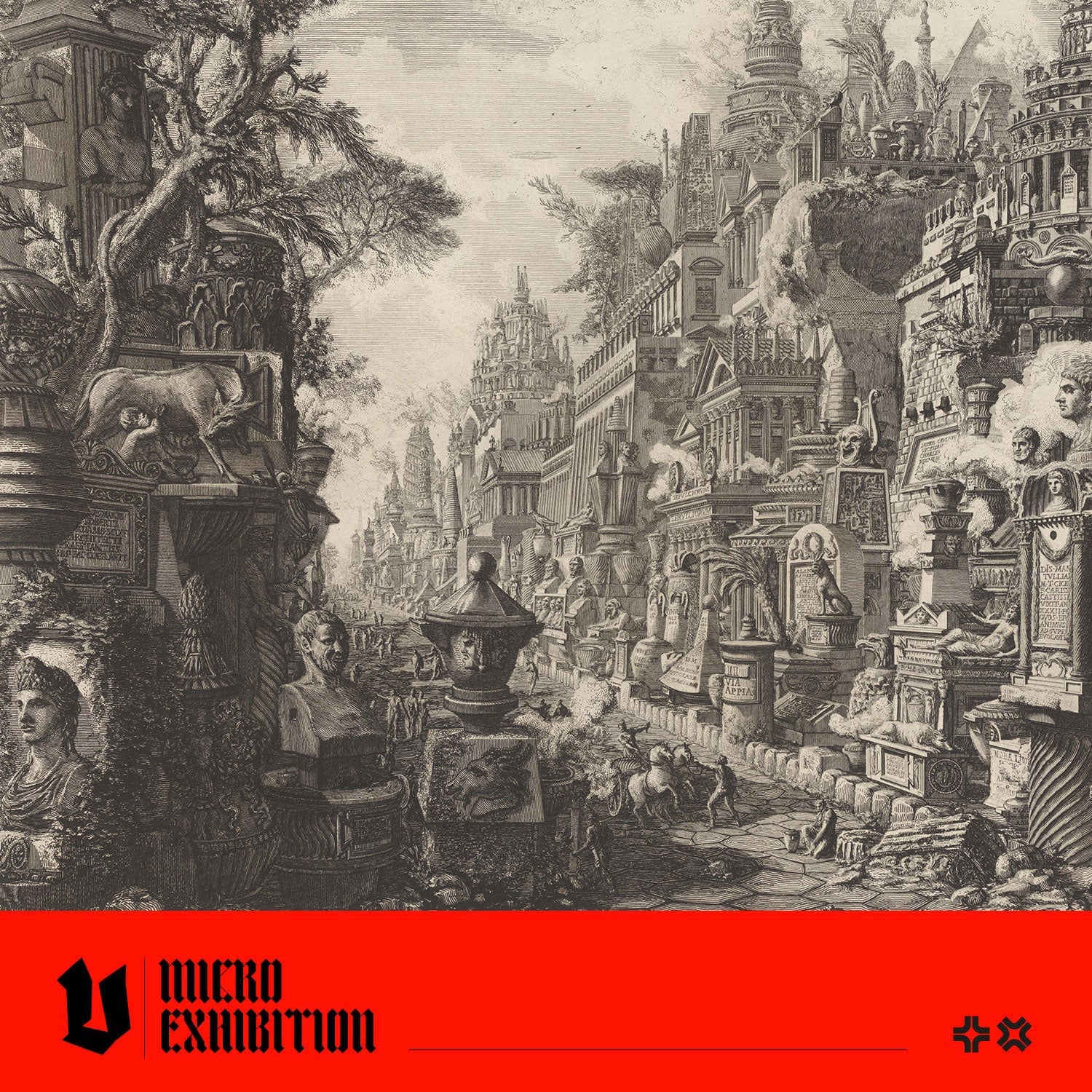
Giovanni Battista Piranesi: The 18th Century Artist Who Inspired M.C Escher, Umberto Eco and Fritz Lang
Giovanni Battista Piranesi created some of the most widely circulated images of Rome ever made, drawn as much from his imagination as from the ruins in front of him. Today we're taking a closer look at the multidisciplinary artist whose prints shaped how the world saw ancient Rome. Let's go!
Art Education
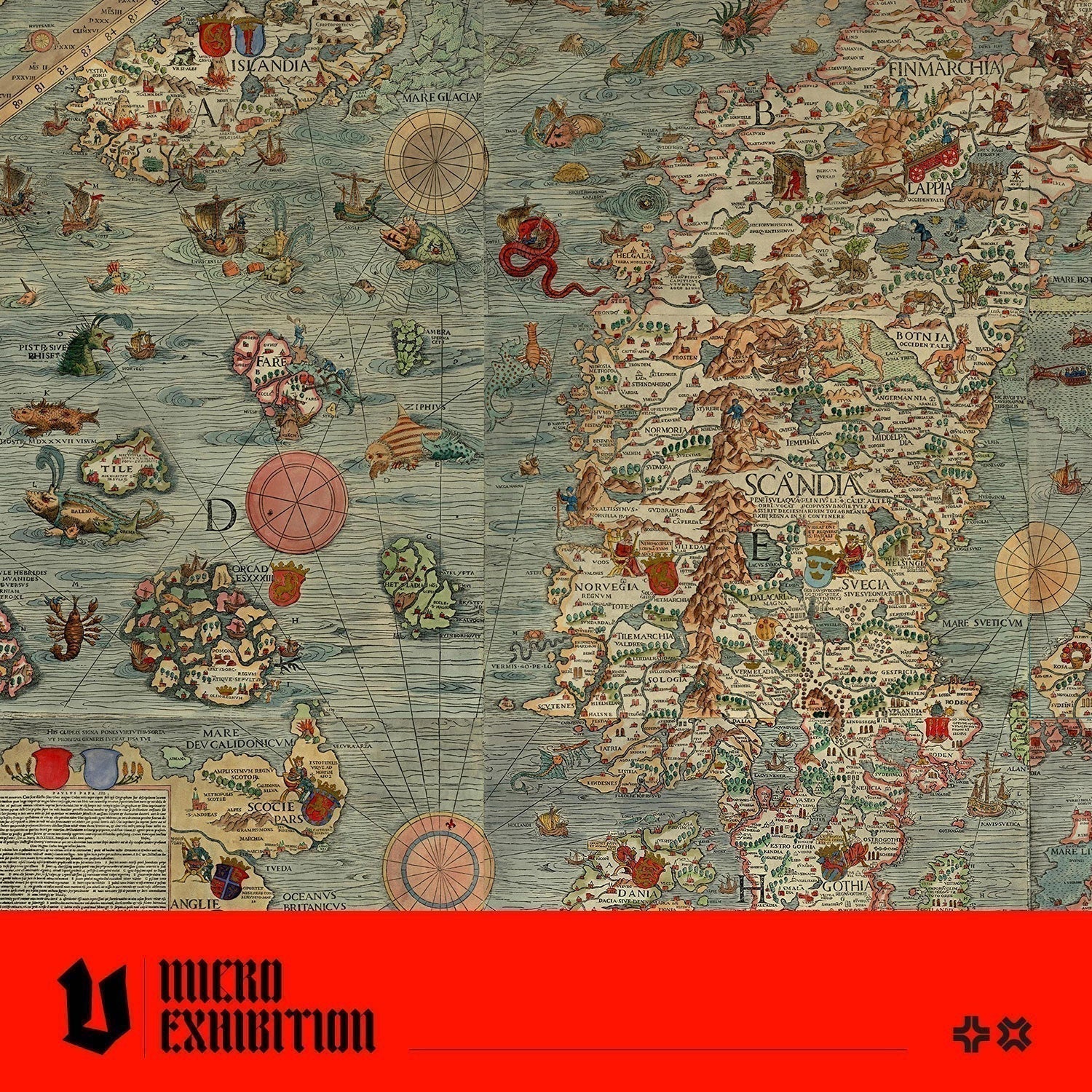
Sea Monsters in Art: A History from Ancient Greece to the Romantic Era
Sea monsters have been a fixture of human art for thousands of years, from ancient Greek pottery to Renaissance sea charts to Edo period woodblock prints. Today we're taking a closer look at the different ways mysterious and fantastical sea creatures have inspired artists throughout the world, and through the centuries. Let's go!
Collage Art
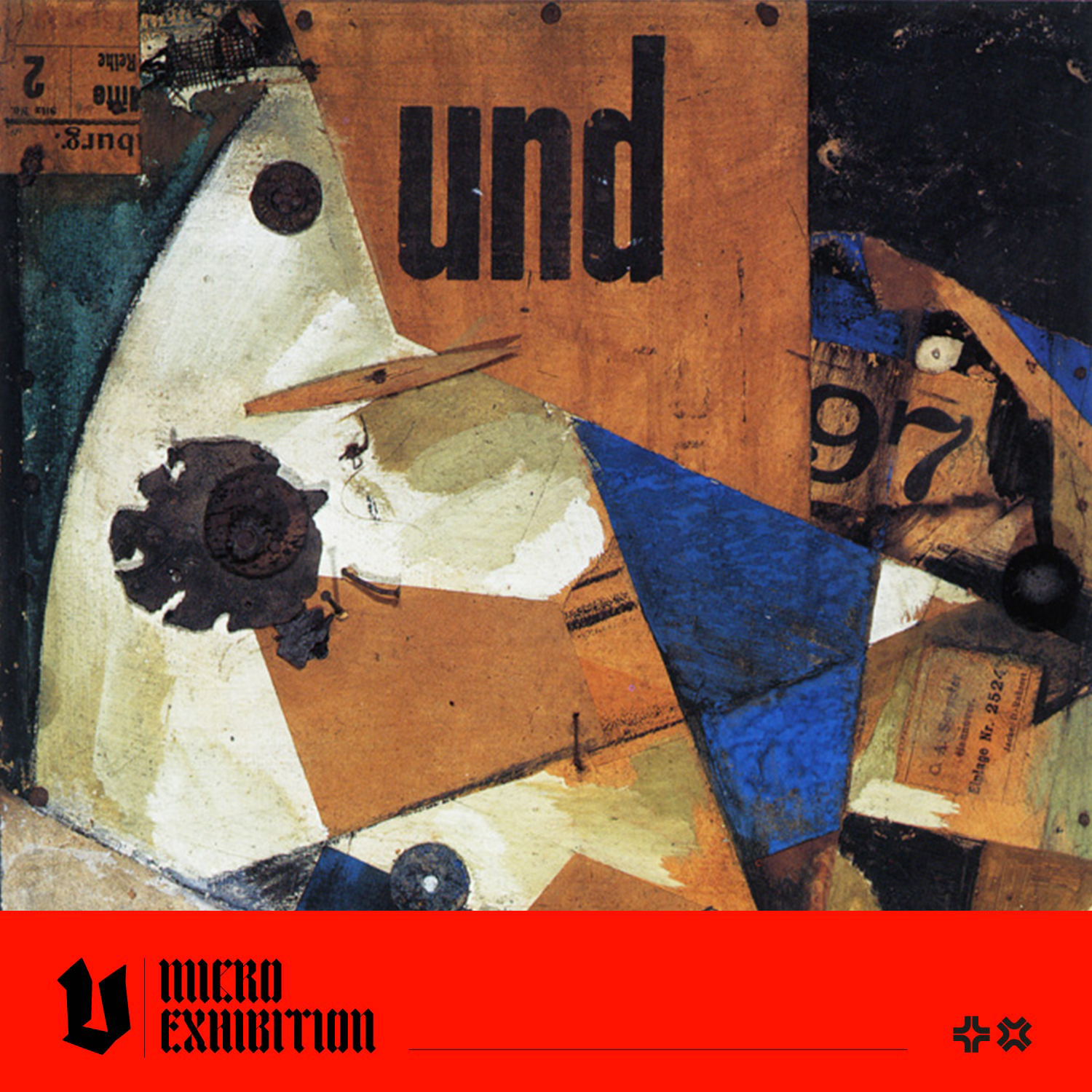
The History and Origins of Collage Art
Braque and Picasso are usually credited with inventing collage in 1912. The reality is more complicated, and more interesting. Today we're taking a closer look at the long, surprising history of collage art. Let's go!
Art Education
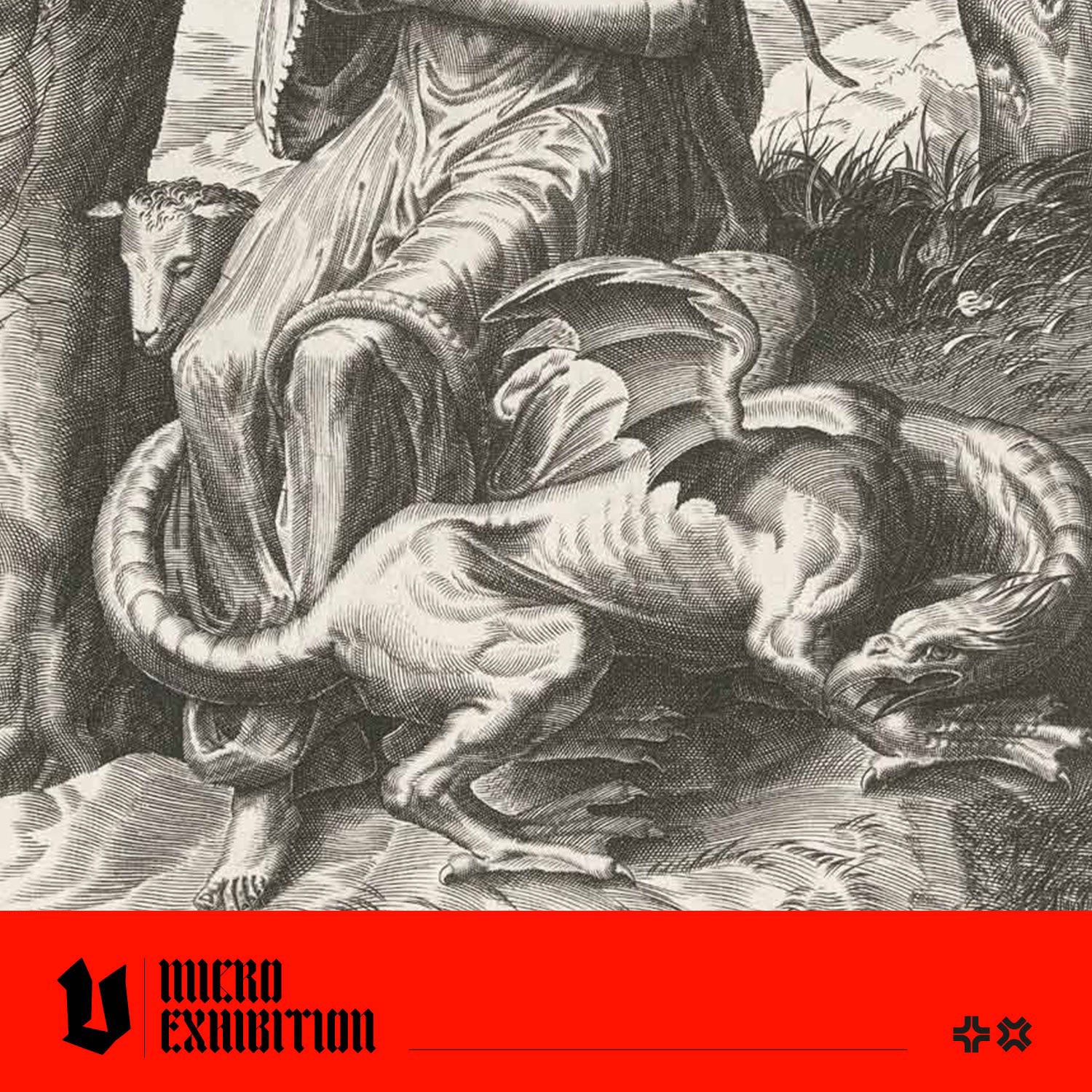
Cornelis Cort: The Innovator Who Changed European Engraving Forever
Cornelis Cort was an engraver and draughtsman from the Netherlands who lived the later years of his life in Italy. He spent his career engraving artists' paintings onto copper and, in doing so, invented a technique that changed European printmaking. Today we're taking a closer look at his life, his method, and why Titian couldn't do without him. Let's go!
Italianate
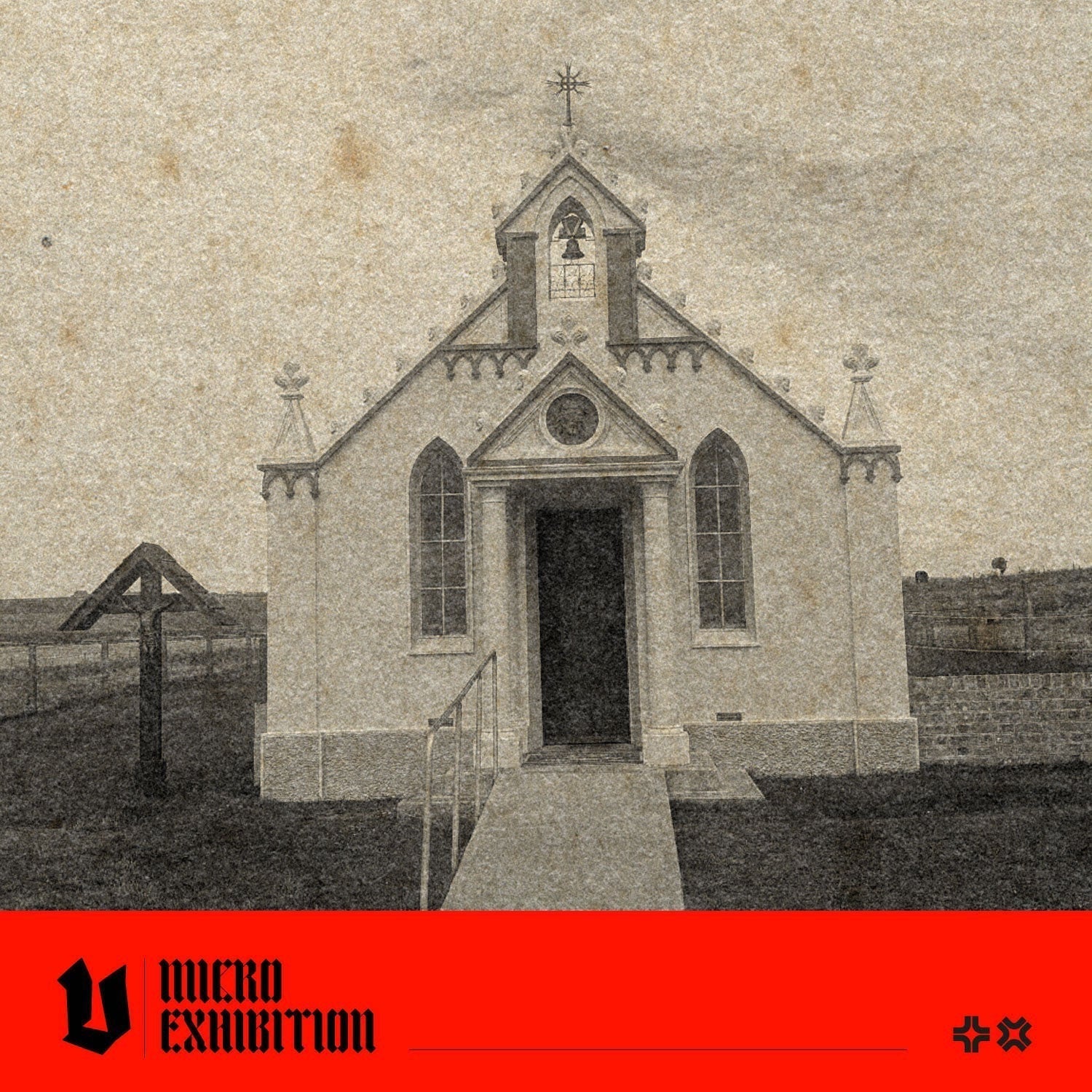
The Italian Chapel on the Orkney Islands: A Testament to Craftsmanship During World War Two
Orkney’s Italian Chapel is a remarkable building and a testament to the craftsmanship of the people who built it and worshipped there. It was built by hand and from repurposed materials during World War Two by a group of Italian prisoners of war (POW’s) interred on the islands. We heard about this intriguing building and had to see it for ourselves; read on to find out more!
surgery
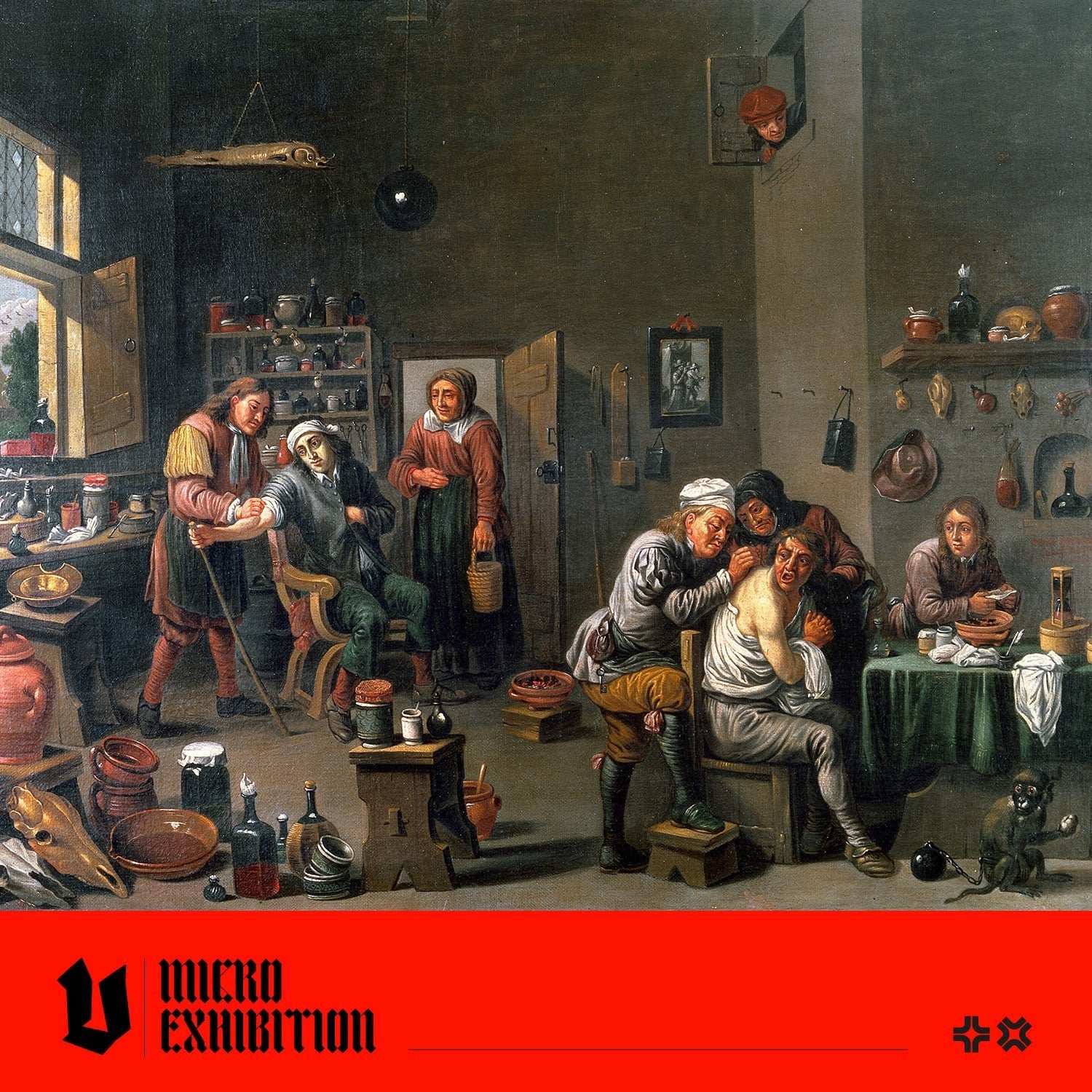
A Visit to Surgeons' Hall Museum, Bodysnatchers, Sherlock Holmes and more...
We recently visited Surgeons' Hall Museum in Edinburgh, home to one of the world's oldest surgical institutions. From the recreated Anatomy Theatre to the infamous Burke and Hare collection and the surprising Sherlock Holmes connection, the History of Surgery Gallery is one of the most remarkable museum experiences in Scotland.

How to Draw Comic Characters
How to Draw Superheroes and Comic Characters: Step-by-Step Guide for Beginners
If you've always wanted to draw superheroes but didn't know where to start, this book was made for you. How to Draw Superheroes and Comic Characters by Vault Editions breaks down dynamic superhero figures, iconic genre characters, and original designs into a clear, structured process — built for beginners and designed to get results fast. Today we're taking a closer look at what's inside. Let's go!
anatomical illustration
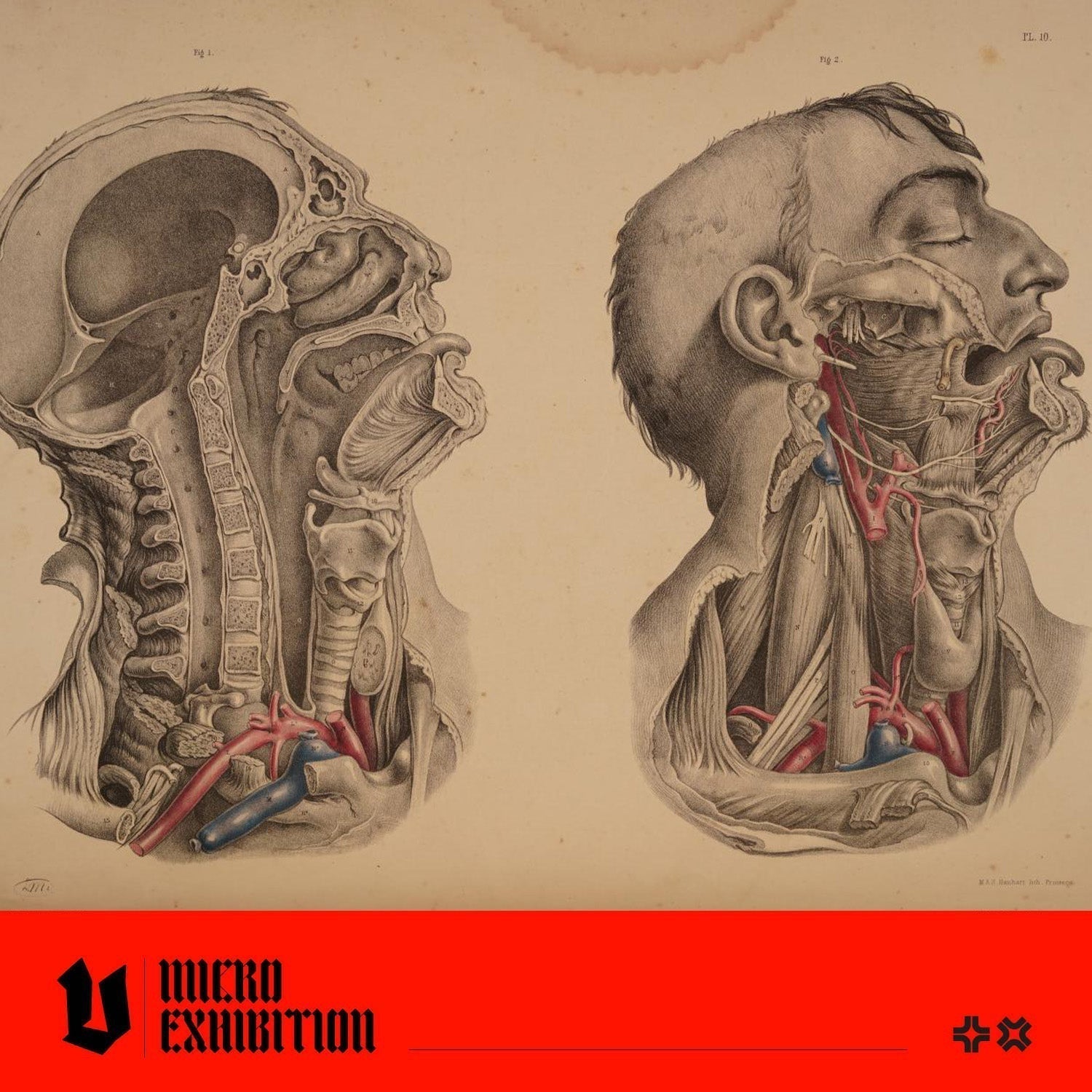
Why Joseph Maclise's 'Surgical Anatomy' Changed Medical Illustration
Joseph Maclise, a surgeon and illustrator, published an extraordinary book that elevated medical illustration. Today we're learning about his book, Surgical Anatomy, and studying some truly mesmerising studies of the human body as you've never seen them before.
Emblem Book
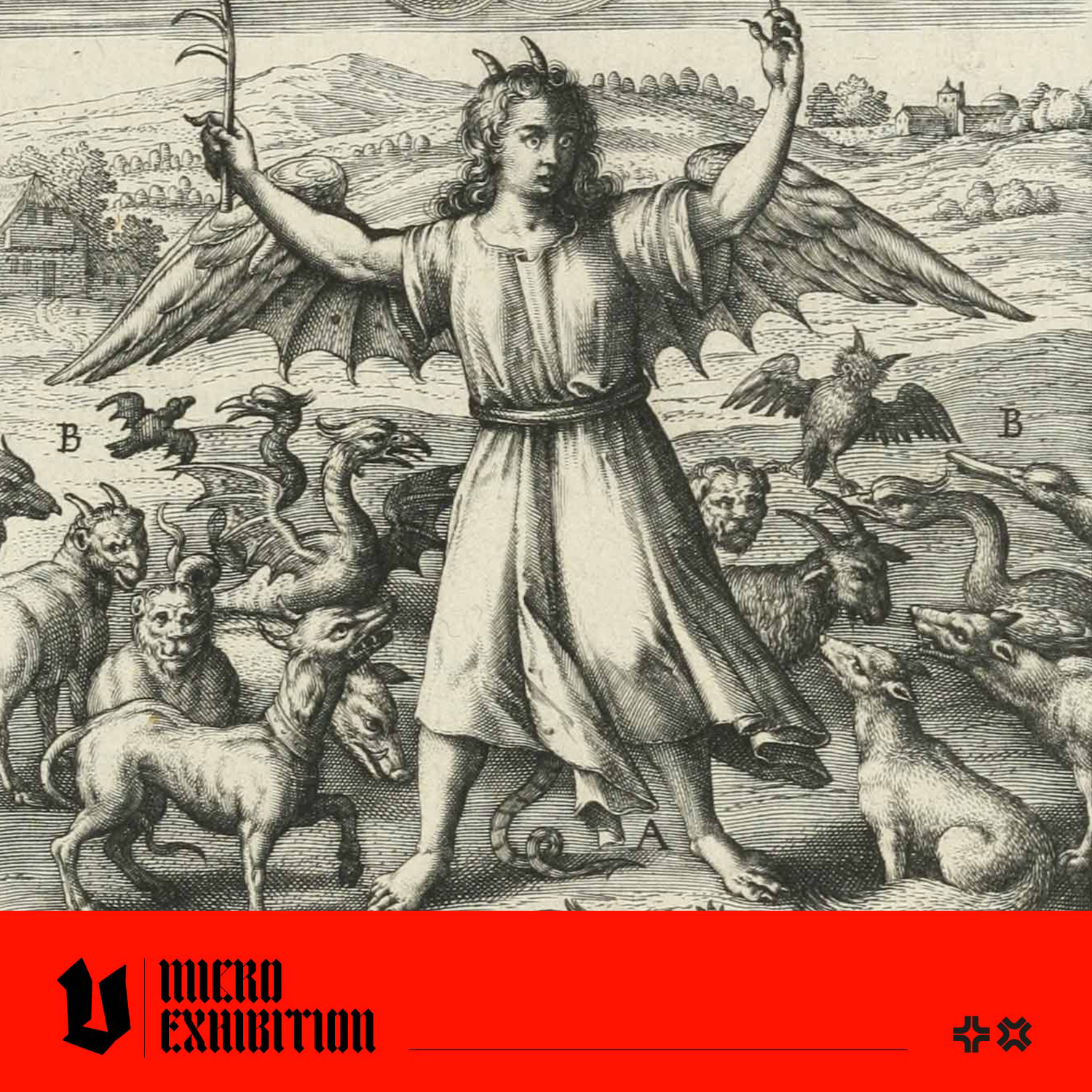
Veridicus Christianus: Are Emblem Books the 17th Century version of an Infographic?
In 1601, a Jesuit priest in Antwerp published a book of 100 allegorical engravings designed to communicate complex ideas. It was part illustrated guide, part work of art, and it remains one of the most visually inventive books of the entire Baroque era. Today we're taking a closer look at Jan David's Veridicus Christianus and the extraordinary images at its heart. Let's go!